
Songkran:
The Things Nobody Tells You
A first-timer's real guide-beyond the waterproof bags and the obvious stuff you already Googled.
Picture this: it's 38°C (100°F), the streets of Thailand are flowing with water, strangers are dumping ice-cold buckets over your head, and everyone—kids, grandparents, monks in procession, off-duty cops—is absolutely losing their minds with joy. Welcome to Songkran, Thailand's traditional New Year celebration and, without argument, one of the most exhilarating human experiences on the planet.
"It's basically Mardi Gras, but someone replaced the beads with a Super Soaker."
Songkran falls every year on April 13–15, timed to one of the hottest stretches of the Thai calendar. Its roots are ancient and Buddhist, the word itself comes from the Sanskrit samkranti, meaning the astrological passage of the sun into Aries. Traditionally, Thais would pour scented water over Buddha statues and gently sprinkle the hands of their elders as an act of blessing and purification, washing away the sins of the old year to make room for good fortune in the new one. That gentle trickle has, over the decades, evolved into a nationwide, water-cannon-fuelled, music-blasting, utterly chaotic festival that UNESCO recognized in 2023 as an intangible cultural heritage of humanity. They're not wrong.
If you've never done it, you need to. And if you're going to do it, you need to do it right, which means reading things that go a bit deeper than "buy a waterproof bag." Here's what first-timers actually need to know.
⚠️Stay Off The Bikes. Seriously. Please.
Before the fun, we have to talk about something real. Songkran is officially nicknamed the "Seven Dangerous Days" by Thai authorities and it earns that name every single year. The combination of massive travel volume, booze flowing all day, and an entire country in party mode creates a genuinely deadly road situation. During Songkran 2025, over 253 people were killed in road accidents over the monitoring period, with more than 1,500 accidents recorded.
The staggering part? Over 80% of road fatalities involve motorcycles. People ride them drunk. People throw buckets of water at passing riders. Roads get slippery. Visibility drops in the chaos. The math is brutal. Do not rent a motorbike during Songkran. Walk everywhere you can. Take Grab, tuk-tuks, or taxis for longer trips. Your hotel is walkable from the party zones in most major cities if you plan it right. No shortcut is worth it.
Some stats for you:
253 ROAD DEATHS IN 7 DAYS (2025)
82% OF ACCIDENTS INVOLVED MOTORBIKES
#1 CAUSE: SPEEDING & DRUNK DRIVING
Same Same But Different
Thailand is not one monolithic party. The experience of Songkran varies wildly depending on whether you're on an island, in a historic northern city, or in the middle of Bangkok's urban chaos. Understanding the vibe of each location and crucially, how many days it actually runs, will shape your whole trip.
Chiang Mai:
🕐 5 FULL DAYS OF MADNESS
The gold standard. Chiang Mai takes Songkran more seriously than anywhere else in Thailand. The Old City moat becomes an actual weapon—locals fill their buckets straight from it (note: this is why ear infections are common here, and why earplugs are underrated festival gear). The celebrations begin at Tha Phae Gate with traditional ceremonies before exploding into five full days of water warfare, lantern releases, and live music. Stay just outside the moat if you want any semblance of sleep. Inside it? You will not rest. The temples are a stunning contrast, step away from the chaos and you'll find some of the most beautiful Songkran rituals in the country.
Bangkok:
🕐 3–5 DAYS, HUGE SCALE
The megacity goes full megafestival. Silom Road and Khao San Road are the two epicenters, work your way from one end to the other and you'll be soaked within your first 10 steps. What sets Bangkok apart is the scale: big-name music festivals, international DJs, and a party-density that feels less like a water fight and more like a city-sized nightclub that someone left the sprinklers on in. The SIAM Songkran Music Festival alone draws headliners like Tiësto and The Chainsmokers. For the water battle, Silom is arguably better; Khao San is rowdier and more backpacker-heavy. Pick your poison.
Phuket & the Islands:
🕐 1–2 DAYS, CHILLED VIBE
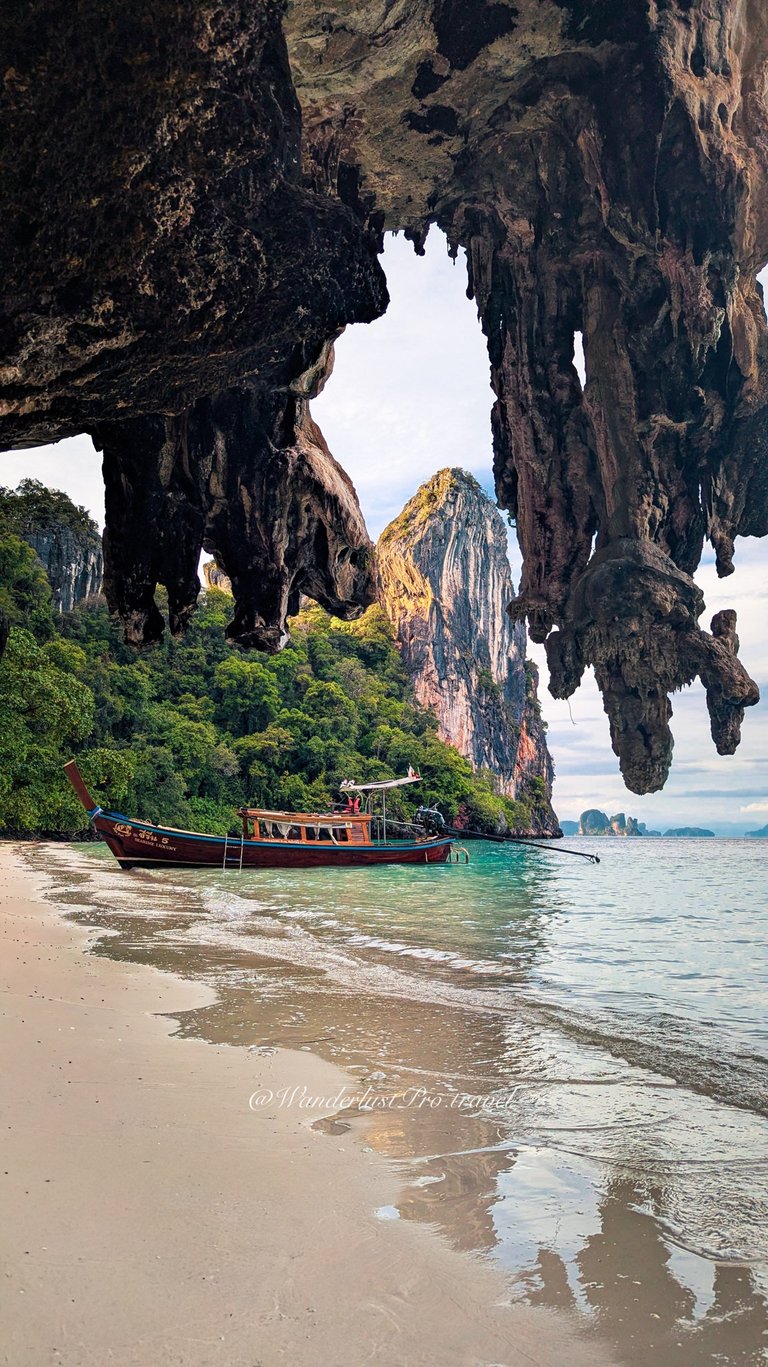
Here's something the mainland crowds don't always advertise: the islands party, but they don't party as long or as hard. Koh Samui, Koh Phangan, and even Phuket have their own Songkran fun, but the vibe is more beach-party than full-scale urban warfare. You'll get splashed on Bangla Road in Patong and there are colourful parades through Old Phuket Town, but if you're island-hopping expecting Chiang Mai energy, you'll be surprised by how much calmer it is. That's not a bad thing, it's a legitimately beautiful way to experience the festival without the physical exhaustion of five-day combat.
Pattaya:
🕐 UP TO A FULL WEEK—"WAN LAI"
Pattaya doesn't just do Songkran, it extends it into its own thing entirely. "Wan Lai" (the day that flows) falls around April 19th, a full week after the national festival begins, and it's considered Pattaya's grand finale water fight. Think of it like an afterparty for the whole country. The city is already in permanent party mode year-round, so Songkran here feels less culturally charged and more hedonistically turbo-charged. If you want maximum longevity of celebration, Pattaya is your answer.
Ayutthaya:
🕐 3 DAYS, DEEPLY CULTURAL
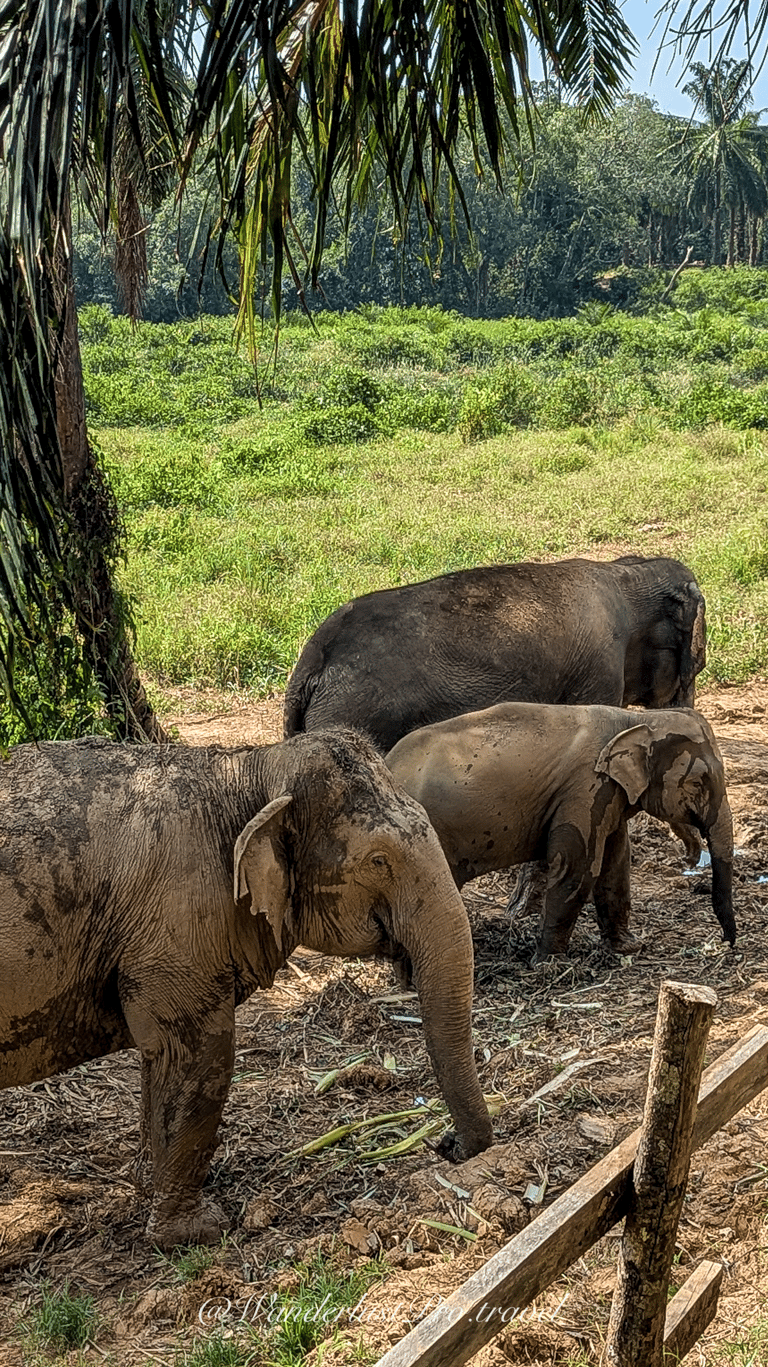
Often overlooked, Ayutthaya is where you go if you want the cultural soul of Songkran without the rave. Celebrations happen against a backdrop of ancient ruins and crumbling temple spires, there are elephant processions, and the water rituals here feel genuinely connected to their origins. If you're someone who wants to understand the festival as much as experience it, build in a day trip or overnight here before the chaos begins.
10 Things Nobody Puts on the List
01: LOGISTICS
Book Your Hotel 3+ Months Out—And Stay Walking Distance from Everything
Songkran is Thailand's busiest domestic travel season bar none. Locals return to their hometowns en masse, international tourists flood in, and accommodation in cities like Chiang Mai and Bangkok gets snatched up extraordinarily fast. But here's the part most people miss: book a hotel within walking distance of the main festival zones. Since you absolutely should not be on a motorbike, your ability to wander home at 2am soaking wet and slightly chaotic is entirely dependent on your feet. A great deal 5km from the party is a nightmare without wheels. Pay more for proximity, you'll thank yourself.
02: SURVIVAL
The Water Is NOT Always Clean—Protect Your Ears and Eyes
In Chiang Mai, the moat surrounding the Old City is a primary "ammo source" for locals. That water has been sitting there, and it is not drinking-quality. In Bangkok and elsewhere, it's often tap water mixed with whatever's been sitting in buckets in the heat. You can and will get water in your ears and ear infections are extremely common during Songkran. Bring a pair of soft foam earplugs for the thick of battle. Similarly, invest in a cheap pair of swim goggles or UV-protected glasses. Nobody tells you this because it feels uncool. Getting an ear infection two days in and spending the rest of the festival in pain is far uncooler.
03: CULTURE
Know the Unspoken Rules Before You Step Outside
Songkran is a joyful Buddhist celebration, not a lawless water war. There are firm cultural rules that locals know instinctively and tourists violate constantly: never splash monks (ever—this is deeply disrespectful), do not spray elderly people, people eating, or anyone who is clearly working. Don't aim directly at faces, and never throw water at passing motorcyclists, it genuinely causes accidents. The festive spirit is about shared joy, not aggression. Foreigners who treat it like a battle royale are the ones who get the side-eye from locals. Smile, engage, and match the energy of the people around you.
04:TIMING
Get Out Early—The Best Battles Happen Before Noon
Most first-timers show up mid-afternoon and wonder why the energy feels like it's plateauing. Songkran is a morning-to-midday sport. By early afternoon, people are drenched, tired, and finding shade. The most electric, high-energy, spontaneous water fights happen between 9am and 1pm. This is when families are out, the vibe is all-ages and exuberant, and the streets are at peak chaos. Getting out at 8am feels wrong for a festival, do it anyway. You can always nap after lunch and come back for the evening music scenes.
05:FOOD & SUPPLIES
Stock Your Room the Night Before—Almost Everything Will Be Closed
This one catches almost everyone off guard. Songkran is a genuine national holiday, which means huge swathes of the country simply shut down. Your favourite restaurant? Closed. That pharmacy you found? Closed. Most shops outside of 7-Elevens and big malls will be shuttered for up to five days. The night before Songkran begins, do a full supply run: water, snacks, any medication you might need, sunscreen, and enough cash for the days ahead (ATMs also run out). The 7-Eleven will be open but crowded and picked over. Treat it like you're prepping for a long weekend camping trip where the camp is the street outside your hotel.
06:DRESS CODE
The Hawaiian Shirt Is Not Optional—And Skip the Swimwear
The aloha shirt has become the de facto Songkran uniform in Thailand over the past decade, and locals absolutely love seeing tourists embrace it. Vivid, colorful, the louder the better. It's also a practical choice: it's a fast-drying cotton layer that covers your shoulders (important for sun and for cultural respect on the streets). What you should NOT wear: a swimsuit or bikini on the city streets. Thailand is respectful about this and wearing revealing clothing outside of beach contexts is genuinely frowned upon. Save the swimwear for the actual beach parties on the islands. On the streets, opt for light shorts and your most aggressively tropical button-down.
07:MINDSET
Resistance Is Futile—And Attempts to Hide Make You a Target
First-timers sometimes try to walk through the festival zones "just to watch" or in their regular clothes. The locals find this deeply amusing and will specifically target you with extra enthusiasm. There is no dry observer at Songkran. There is no poncho that saves you, people will pour water down the back of it. The only way to experience Songkran correctly is full surrender. Accept that you will be soaked from the first thirty seconds, let that be liberating, and lean into it completely. The people having the most fun are always the ones who stopped trying to protect anything.
08:HIDDEN GEM
Go to a Temple on the First Morning—You'll Have It to Yourself
While everyone else is prepping their Super Soakers, the first morning of Songkran (April 13) is when the Buddhist ceremonies are in full, beautiful swing. Locals visit temples to make merit, pour scented water on Buddha statues, and build "sand chedis"—miniature sandcastle temples decorated with colorful flags that symbolize returning earth to the temple grounds. Some ceremonies also allow visitors to gently pour water over monk's hands as a gesture of blessing. It's quiet, it's stunning, it's a completely different dimension of the same festival. Do this first. The chaos will be waiting for you when you leave.
09:SAFETY
Alcohol + Heat + No Food = Drunk Way Faster Than You Think
It's 37°C, you've been running around getting drenched all morning, you've forgotten to eat anything since that 7-Eleven croissant at 8am, and someone just handed you a Chang. You will be drunk remarkably fast. The combination of dehydration from the heat, physical exertion, sun exposure, and an empty stomach accelerates alcohol absorption dramatically. Pace yourself deliberately, drink water between drinks, eat real food even if it feels inconvenient in the chaos, and watch your friends do the same. The people ending up in hospital during Songkran are often not the motorbike riders, they're just tourists who didn't pace themselves in a 39°C outdoor rave.
10:THE HIGHLIGHT
Learn Two Phrases—They Will Change Every Interaction You Have
The Songkran energy is built on connection. Two phrases will open every door and turn every splash into a genuine moment: "Sawasdee Pee Mai" (สวัสดีปีใหม่)—Happy New Year—and "Suk San Wan Songkran"—Happy Songkran Day. Say these to every local who drenches you. Say them when you soak someone back. Say them at the temple and at the street food cart and at the 7-Eleven. Thai people respond to it with enormous warmth and delight, especially when it comes from a foreigner who clearly tried. The festival's whole ethos is about beginning the year with good vibes between strangers. Meet that energy and it'll be the best few days of your life!
See You on the Streets.
There is nothing quite like standing in the middle of a Bangkok boulevard at 10am with water cannons coming from every direction, strangers laughing, music hammering, and the realization that an entire country has collectively decided that joy is the most important thing to do today. Go. Get soaked. Say happy new year to everyone you meet.
Want The 2026 Updated Thailand Planning Guide?
Explore
Crafting unforgettable journeys tailored for you.
© 2024. All rights reserved. Unauthorized use of images prohibited.